
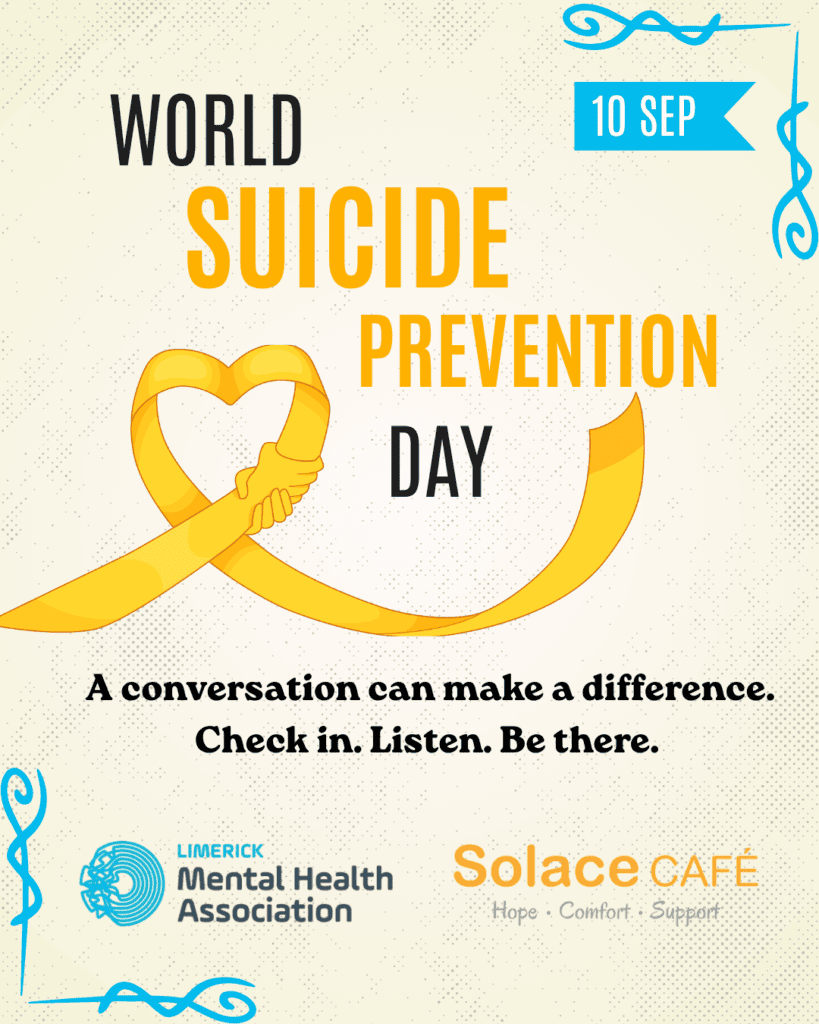
Every September, World Suicide Prevention Day on 10 September provides an opportunity to raise awareness of suicide, challenge stigma and remind people that suicide prevention is something we all have a role in.
Suicide can be a difficult and uncomfortable subject to talk about. We may worry about saying the wrong thing, upsetting someone or simply not knowing how to respond. But avoiding the conversation can leave people feeling even more alone. Sometimes, one of the most important things we can do is simply ask: “Are you okay?”
You Don’t Have to Have the Right Words
When someone we care about is struggling, it is natural to want to fix things. But supporting someone does not mean having all the answers. Listening without judgement, giving someone your full attention and allowing them to speak openly about how they are feeling can make a real difference. If you are worried that someone may be thinking about suicide, it is okay to ask them directly. You might say:
“You haven’t seemed yourself lately. How are you really doing?”
or
“I’m worried about you. Have you been thinking about suicide?”
Asking directly about suicide does not put the idea into someone’s head. Instead, it can give them permission to talk honestly about what they are experiencing. You do not need to be a mental health professional to start that conversation. You just need to be willing to listen.
Recognising When Someone May Be Struggling
There is no single way that a person experiencing suicidal thoughts will behave, and sometimes there may be few outward signs. However, changes in someone’s behaviour or mood may indicate that they need additional support.
These could include withdrawing from friends, family or activities; expressing feelings of hopelessness or worthlessness; significant changes in mood, sleep or behaviour; increased use of alcohol or drugs; talking about feeling like a burden; giving away possessions or saying goodbye; or talking about death, dying or suicide. It is important to take concerns seriously, particularly if someone tells you directly that they are thinking about suicide.
What Can I Do?
If you are concerned about someone, reach out rather than waiting for them to come to you.
Choose somewhere private and give them time to talk. Listen to what they are saying without judgement or immediately trying to solve the problem.
If they tell you that they are experiencing suicidal thoughts, encourage them to access professional support. Depending on the situation, this might mean contacting their GP, a mental health service or a crisis support service.
If you believe someone is in immediate danger, do not leave them alone. Contact emergency services or help them access urgent medical support.
And remember: supporting someone through a difficult time can affect you too. You are not expected to carry the responsibility alone. Seeking advice and support for yourself is also important.
If You’re the Person Who Is Struggling
If you are reading this and things feel overwhelming right now, please tell someone. You might not know exactly what to say. You don’t have to explain everything at once. Starting with “I’m not doing well and I need some help” is enough. Reach out to someone you trust, whether that is a friend, family member, colleague, GP or support service.
When you are experiencing intense emotional distress, it can feel as though nothing will change. You do not have to manage those feelings by yourself. Support is available, and reaching out can be the first step towards getting through the moment you are in.
Creating Hope Through Action
Suicide prevention is not limited to one day in September.
It happens when we check in on the friend who has gone quiet. It happens when workplaces and communities make it safe to talk about mental health. It happens when we listen without judgement, take someone seriously when they tell us they are struggling and help them connect with appropriate support.
Most importantly, it happens when we replace silence and stigma with compassion and conversation.
This World Suicide Prevention Day, we encourage everyone to check in with the people around them.
Ask the question.
Listen to the answer.
And remind people that they do not have to face difficult moments alone.
Support Is Available
If you or someone you know is experiencing suicidal thoughts or emotional distress, support is available:
Samaritans – Call 116 123, free, 24 hours a day.
Pieta – Call 1800 247 247 or text HELP to 51444.
Text About It – Text HELLO to 50808 for free, 24/7 crisis support.
Your GP can also provide support and help you access appropriate mental health services.
If you or someone else is at immediate risk of harm, call 999 or 112 or attend your nearest Emergency Department.
Support at Limerick Mental Health Association
At Limerick Mental Health Association, we offer a range of groups, activities and community supports that promote positive mental health, connection and wellbeing.
Our Solace Café provides a welcoming, non-judgemental space for anyone experiencing mental health difficulties or emotional distress. Visitors can drop in for a cup of tea or coffee, a listening ear and support from our team. We can also provide information and signposting to other services where needed.
Solace Café is not an emergency or clinical service, but it offers a safe and supportive space where you can talk, connect and feel less alone.
This September, let’s keep the conversation going.