

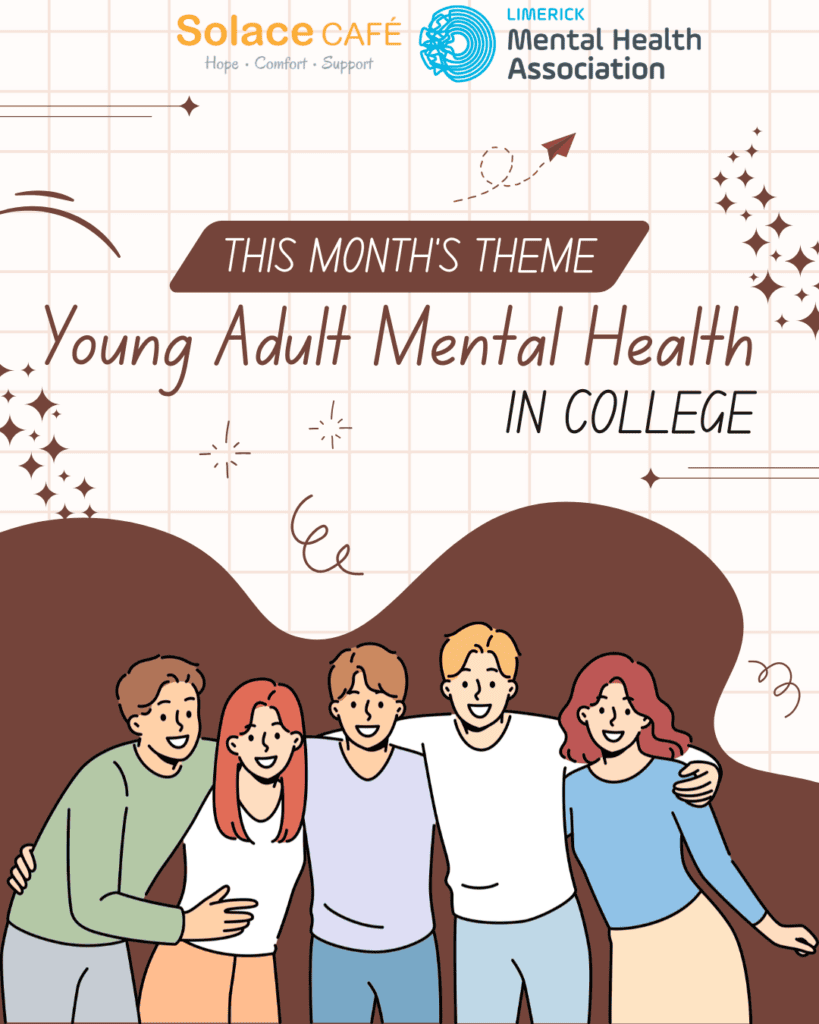
As summer begins to wind down, many young people are preparing for a new chapter. Whether you’re starting college for the first time, returning to university, beginning an apprenticeship, or continuing your education, this time of year can bring a mix of excitement, hope, and uncertainty. New environments, increased independence, academic pressures, financial responsibilities, and being away from familiar support networks can all have an impact on mental wellbeing.
As this month’s theme focuses on Young Adult Mental Health in College, it’s a good opportunity to remember that looking after your mental health is just as important as attending lectures or meeting assignment deadlines.
Adjusting Takes Time
Starting college can feel like a fresh start, but it doesn’t always feel easy. Many students worry about making friends, fitting in, managing their workload, or balancing study with part-time work and social life. Others may experience homesickness or feel uncertain about whether they’ve chosen the right course.
These feelings are common. Everyone adjusts at their own pace, and it’s important to remember that there is no “perfect” college experience.
Looking After Your Mental Wellbeing
Mental wellbeing isn’t about feeling happy all the time. It’s about recognising your needs and taking small steps to care for yourself, especially during periods of change.
Some ways to support your wellbeing include:
- Create a routine that includes time for studying, rest, and activities you enjoy.
- Prioritise sleep as much as possible.
- Eat regular meals and stay hydrated.
- Stay active, whether that’s walking, joining a sports club, or simply getting outside each day.
- Make time to connect with friends, classmates, or family.
- Take breaks from social media if you notice it’s affecting your mood.
- Celebrate small achievements rather than expecting perfection.
Small, consistent habits can have a positive impact on both your wellbeing and your ability to cope with stress.
It’s Okay to Ask for Help
Many students feel they should be able to manage everything on their own. In reality, reaching out for support is one of the most positive things you can do.
Most colleges and universities offer a range of wellbeing supports, including counselling services, student health services, disability supports, academic advisors, chaplaincy services, and student unions. These services exist because adjusting to college can be challenging, and no one is expected to navigate it alone.
Talking to a trusted friend, family member, lecturer, or support worker can also make a real difference.
Building Your Support Network
Feeling connected is an important part of maintaining good mental health.
Joining clubs and societies, volunteering, attending college events, or simply introducing yourself to classmates can help you build friendships over time. Meaningful connections don’t happen overnight, so be patient with yourself.
Remember that many other students are looking for connections too.
Be Kind to Yourself
College is a time of learning, not just academically, but personally.
There may be times when assignments don’t go as planned, exams feel overwhelming, or life becomes difficult. Experiencing setbacks doesn’t mean you’ve failed. Learning to ask for support, adapt, and keep going are valuable skills that will stay with you long after graduation.
Your worth is not measured by your grades, and taking care of your mental health is never time wasted.
A Final Thought
Starting or returning to college is an exciting chapter, but it doesn’t have to be a perfect one. Give yourself permission to learn, grow, make mistakes, and ask for help when you need it.
At Limerick Mental Health Association, we know that good mental health is the foundation for learning, personal growth, and reaching your potential. As a new academic year begins, we encourage every student to prioritise their wellbeing, stay connected with others, and remember that support is always available.
We wish all students a healthy, positive, and successful academic year ahead.